
Special Offer Today Do Not Miss
Lymphtonic $79 per bottle (Regular: $129)
Flat Sale ONLY FOR TODAY-Special Offer + 60 Day 100% Money Back Guarantee + Free Shipping
Read our Lymph Tonic review 2026 covering ingredients, potential benefits, side effects, how it works, pros and cons, and what the research actually shows.
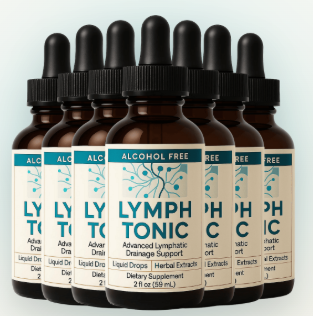



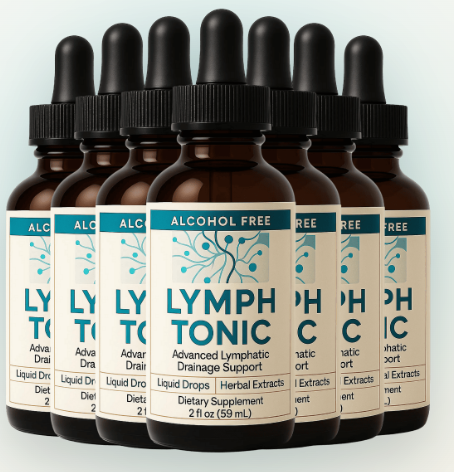
If you have been searching for information about Lymph Tonic, you have probably encountered some fairly dramatic claims about lymphatic drainage, detoxification, swelling, circulation and overall wellness.
But what is Lymph Tonic actually supposed to do? What ingredients does it contain? And, more importantly, does Lymph Tonic really work?
Those are the questions I wanted to answer before recommending that anyone even consider buying it.
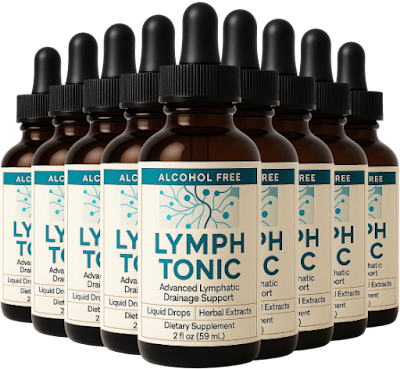
Lymph Tonic is marketed as a liquid dietary supplement designed around lymphatic and circulatory wellness. Its formula brings together a number of botanical extracts, flavonoids and nutrients that have individually attracted scientific interest.
That sounds promising.
But there is an important distinction that tends to disappear in supplement advertising:
Evidence for an individual ingredient is not the same as evidence for the finished supplement.
So rather than simply repeating the manufacturer's claims, this Lymph Tonic review 2026 takes a closer look at the formula, the research behind its ingredients, possible advantages and limitations, safety considerations, and what consumers should know before buying.
Lymph Tonic at a Glance
Product: Lymph Tonic
Category: Dietary supplement
Format: Liquid drops
Primary focus: Lymphatic and circulatory wellness
Current reported formula: 13 active ingredients
Reported proprietary blend: 600 mg
Serving size: Two droppers
Key consideration: Individual ingredient quantities are not disclosed within the proprietary blend.
If you are researching Lymph Tonic reviews because you are deciding whether the supplement deserves a place in your wellness routine, the proprietary blend is one of the most important details to understand.
What Is Lymph Tonic?
Lymph Tonic is a liquid dietary supplement promoted toward adults interested in supporting their lymphatic and circulatory wellness.
Unlike supplements supplied as capsules or tablets, Lymph Tonic comes in liquid form and is taken using a dropper.
The current formulation described in available product information contains a mixture of botanical extracts and nutrients, including compounds such as Boswellia serrata, curcumin, horse chestnut, gotu kola, nattokinase, quercetin, ginger and vitamin E.
There is legitimate scientific research surrounding several of these ingredients.
However, that doesn't mean Lymph Tonic should be regarded as a treatment for lymphedema, unexplained swelling or another medical condition.
That distinction is particularly important when evaluating supplements marketed around the lymphatic system.
What Does the Lymphatic System Do?
To understand the reasoning behind a product such as Lymph Tonic, it helps to understand the lymphatic system itself.
The lymphatic system is a network of lymphatic vessels, lymph nodes and organs that performs several important functions.
It helps maintain fluid balance, returns excess fluid from tissues to circulation, participates in immune function, and helps transport certain dietary fats.
This is considerably more complex than the popular idea that your lymphatic system simply needs to be periodically "flushed" or "detoxed."
Your body already has multiple organs and biological systems involved in processing and eliminating waste.
For that reason, claims suggesting that a supplement can simply “flush toxins from the lymphatic system” deserve careful scrutiny.
Lymph Tonic Ingredients: What's Actually in the Formula?
According to the current formula information available for the version reviewed, Lymph Tonic contains 13 active ingredients within a 600 mg proprietary blend.
These reportedly include:
- Boswellia serrata extract
- Baicalein
- Omega-3 fatty acids
- Curcumin
- Hesperidin methyl chalcone
- Horse chestnut extract
- Gotu kola extract
- Nattokinase
- Quercetin phytosome
- Ginger extract
- Black pepper extract
- Phosphatidylcholine
- D-alpha tocopherol (vitamin E)
It's an interesting combination.
But there is one immediate limitation.
The Proprietary Blend Problem
Although the label reportedly provides the total weight of the proprietary blend, it does not disclose exactly how much of each individual ingredient is included.
Why does that matter?
Because scientific research is dose-specific.
Suppose researchers study 300 mg of a particular ingredient and observe a certain result. Simply knowing that the same ingredient appears somewhere within a 600 mg mixture containing 12 other active ingredients doesn't tell us whether the supplement provides anything close to the studied amount.
This doesn't mean that Lymph Tonic cannot be useful.
It means we cannot confidently compare its individual ingredients with clinical-study doses without knowing the amounts.
For consumers researching whether Lymph Tonic works, this is an important limitation.
Lymph Tonic Ingredient Analysis
Let's look more closely at some of the ingredients and why they may have been selected.
1. Hesperidin Methyl Chalcone
Hesperidin is a flavonoid associated primarily with citrus fruits.
Hesperidin-related compounds have attracted research interest for their relationship with vascular function and circulation.
That makes their inclusion in a formula positioned around circulatory and lymphatic wellness understandable.
However, studies involving particular hesperidin compounds cannot automatically establish that the specific amount or form contained in Lymph Tonic produces the same result.
This is especially difficult to determine because Lymph Tonic does not disclose the individual amount of hesperidin methyl chalcone within its proprietary blend.
2. Horse Chestnut Extract
Horse chestnut is one of the more interesting ingredients in the Lymph Tonic formula.
Standardized horse chestnut seed extracts have been studied in humans, particularly in relation to symptoms associated with chronic venous insufficiency.
This is relevant because chronic venous insufficiency can involve symptoms such as leg discomfort and swelling.
However, chronic venous insufficiency and lymphedema are different medical conditions.
Research into horse chestnut and venous insufficiency therefore should not be interpreted as proof that Lymph Tonic treats lymphedema.
3. Curcumin
Curcumin is one of the primary bioactive compounds associated with turmeric.
It has been extensively investigated for its relationship with inflammatory and antioxidant pathways.
Its inclusion gives Lymph Tonic an understandable nutritional rationale.
However, evidence surrounding curcumin itself is not evidence that Lymph Tonic has been clinically proven to improve lymphatic drainage.
Those are two different scientific questions.
4. Boswellia Serrata
Boswellia serrata is a botanical extract frequently found in supplements marketed for inflammatory and joint wellness.
Boswellia compounds have been investigated in several areas of human health, particularly those involving inflammatory pathways.
That makes Boswellia another plausible ingredient in a broad wellness formulation.
But direct evidence connecting the amount of Boswellia in Lymph Tonic with improved human lymphatic function remains unclear.
5. Omega-3 Fatty Acids
Omega-3 fatty acids are among the best-researched nutritional compounds in the Lymph Tonic formula.
They have been studied extensively in cardiovascular health and inflammatory biology.
That scientific background is meaningful.
What it doesn't establish is that the unknown amount of omega-3 contained within this particular proprietary blend can “detox” or “drain” the lymphatic system.
6. Gotu Kola
Gotu kola, or Centella asiatica, has a long history of traditional use.
Modern research has also explored compounds in gotu kola in areas involving connective tissue and vascular biology.
This provides another plausible reason for including it in Lymph Tonic.
As with the other ingredients, however, the absence of an individually disclosed dosage makes direct comparison with published research difficult.
7. Nattokinase
Nattokinase is an enzyme associated with natto, a traditional Japanese fermented soybean food.
It has attracted considerable interest because of research involving fibrinolytic activity and cardiovascular biology.
This ingredient is also important from a safety perspective.
People using anticoagulants, antiplatelet medications or other treatments affecting blood clotting should not automatically assume that a supplement containing nattokinase is appropriate for them.
8. Quercetin Phytosome
Quercetin is a naturally occurring flavonoid found in many fruits and vegetables.
It has been extensively investigated for antioxidant and inflammatory mechanisms.
Standard quercetin naturally has limited bioavailability, so phytosome formulations are designed to improve absorption.
That makes the use of a quercetin phytosome an interesting formulation choice.
But once again, we don't know precisely how much is contained in a serving of Lymph Tonic.
9. Ginger Extract
Ginger has a much stronger research history than many obscure botanicals commonly included in supplements.
It has been investigated across several areas of human health.
However, those studies shouldn't be stretched into the conclusion that ginger—or a product containing ginger—has been demonstrated to treat lymphatic disease.
10. Black Pepper Extract
Black pepper extract is frequently paired with other botanical compounds because piperine can influence their bioavailability.
Its inclusion in Lymph Tonic may therefore have more to do with formulation and absorption than acting as the primary active ingredient.
11. Phosphatidylcholine
Phosphatidylcholine is a phospholipid naturally present in cell membranes and is also a source of choline.
It performs legitimate physiological functions within the body.
That doesn't mean, however, that its presence proves a “lymph detox” effect.
12. Vitamin E
Vitamin E is an essential fat-soluble nutrient known primarily for its antioxidant functions.
It is another established nutrient rather than an obscure supplement ingredient.
But supplementation isn't always appropriate simply because a nutrient is essential.
Vitamin E also deserves consideration when someone is using medications or other supplements that may influence bleeding.
13. Baicalein
Baicalein is a flavonoid associated with Scutellaria baicalensis, commonly known as Chinese skullcap.
Researchers have investigated baicalein for several biological properties.
Its inclusion adds another plant-derived compound to the Lymph Tonic formula, although direct clinical evidence for the finished supplement remains the more important question.
Does Lymph Tonic Really Work?
This is probably the question that brought you here.
And the most accurate answer requires some nuance.
Several Lymph Tonic ingredients have scientific research behind them.
That's a positive feature.
But research showing that individual ingredients influence certain biological pathways does not establish that the complete Lymph Tonic formula produces a clinically meaningful improvement in lymphatic function.
At the time of this review, I have not verified a peer-reviewed clinical trial demonstrating that this exact finished formula treats lymphedema, eliminates edema, “flushes toxins,” or clinically improves lymphatic drainage.
That doesn't prove the supplement is ineffective.
It simply means we should not claim more than the evidence demonstrates.
This distinction is one of the most important things to understand when reading Lymph Tonic reviews online.
What Are the Potential Benefits of Lymph Tonic?
The safest way to discuss Lymph Tonic benefits is to distinguish between the product's positioning and what research on its individual ingredients can establish.
The formulation contains ingredients that have been investigated in areas involving:
- vascular biology;
- circulation;
- antioxidant activity;
- inflammatory pathways;
- cardiovascular biology; and
- connective-tissue function.
These areas provide a scientific rationale for why the ingredients may have been combined.
However, consumers should be cautious with much stronger statements such as:
“Lymph Tonic cures lymphedema.”
“Lymph Tonic removes lymphatic blockages.”
“Lymph Tonic eliminates swelling.”
“Lymph Tonic flushes toxins out of your body.”
“Lymph Tonic guarantees better lymphatic drainage.”
I would not use these claims in an evidence-based review.
Lymph Tonic and Swelling: An Important Distinction
One reason people may search for a lymphatic support supplement is because they are experiencing swelling.
This deserves particular caution.
Swelling can occur for many different reasons.
It shouldn't automatically be interpreted as a sign that your lymphatic system is “clogged.”
Persistent or unexplained swelling warrants appropriate medical evaluation, particularly when it is sudden, severe, painful, affects one limb disproportionately, occurs with redness or warmth, or is accompanied by symptoms such as difficulty breathing.
A supplement shouldn't be used to delay appropriate medical care.
Is Lymph Tonic a Treatment for Lymphedema?
Lymph Tonic should not be confused with established approaches used in the management of diagnosed lymphedema.
A dietary supplement and clinical lymphatic therapy are fundamentally different things.
People diagnosed with lymphedema may receive individualized management involving interventions such as compression and specialist-directed care depending on their circumstances.
There isn't sufficient evidence to present Lymph Tonic as a replacement for these approaches.
Lymph Tonic Side Effects and Safety
Anyone searching for Lymph Tonic side effects should remember that a multi-ingredient botanical supplement can have multiple potential interaction pathways.
“Natural” does not automatically mean “risk-free.”
Ingredients such as nattokinase, vitamin E and ginger deserve particular attention in people taking medications that affect blood clotting.
The formula may also be inappropriate for some people depending on medical conditions, medication use, pregnancy, breastfeeding or upcoming surgery.
If you take prescription medication or have an existing medical condition, discussing the complete ingredient list with a qualified healthcare professional is a sensible precaution.
How Do You Take Lymph Tonic?
Current product information for the formula reviewed describes a serving as two droppers.
However, formulations and instructions can change.
For that reason, use the directions printed on the actual product you receive rather than relying on an older online article.
I would also avoid assuming that taking more than the recommended serving will produce better results.
With supplements, more is not necessarily better.
What I Like About Lymph Tonic
There are several aspects of the product that I find worth noting.
First, the formula isn't built entirely around obscure ingredients with no obvious scientific rationale.
It contains several recognizable compounds with legitimate areas of scientific research, including curcumin, Boswellia, omega-3 fatty acids, horse chestnut, quercetin, ginger and vitamin E.
Second, the liquid format could appeal to consumers who dislike swallowing capsules or tablets.
Third, the formula takes a multi-ingredient approach rather than presenting a single trendy ingredient as a miracle solution.
Those are reasonable positives.
But they need to be considered alongside the limitations.
What I Don't Like About Lymph Tonic
My biggest concern is the proprietary blend.
When 13 ingredients share a 600 mg blend without individual quantities being disclosed, it becomes extremely difficult for consumers to determine how much of each ingredient they're actually getting.
That also makes scientific comparison much harder.
Another limitation is the absence of verified clinical research on the finished Lymph Tonic formula itself.
Research on curcumin isn't a clinical trial of Lymph Tonic.
Research on horse chestnut isn't a clinical trial of Lymph Tonic.
Research on omega-3 fatty acids isn't a clinical trial of Lymph Tonic.
That's a distinction every supplement review should make clear.
Lymph Tonic Pros and Cons
Pros
Liquid formula — May be convenient for people who dislike capsules.
Interesting ingredient profile — Contains several well-known botanical extracts, flavonoids and nutrients.
Research exists for several individual ingredients — Some components have meaningful human research in related health areas.
Multi-ingredient formulation — Combines several different compounds rather than relying on a single ingredient.
Cons
Proprietary blend — Individual ingredient amounts aren't disclosed.
Limited finished-product evidence — Ingredient studies shouldn't be confused with clinical testing of Lymph Tonic itself.
Potential interactions — Some ingredients may not be appropriate with certain medications.
Marketing requires scrutiny — Claims about “detoxing,” treating lymphedema or eliminating swelling should not be accepted without appropriate clinical evidence.
Who Might Be Interested in Lymph Tonic?
Lymph Tonic may attract adults who:
- are researching nutritional approaches to general wellness;
- prefer liquid supplements to capsules;
- are interested in the ingredients contained in the formula;
- understand the limitations of dietary supplements; and
- are willing to evaluate the product without expecting a guaranteed medical outcome.
It is much less appropriate to approach Lymph Tonic as a self-treatment for unexplained swelling or diagnosed lymphatic disease.
Lymph Tonic Review 2026: Final Thoughts
After examining the Lymph Tonic ingredients, potential benefits, limitations and available evidence, I think the product is more interesting when stripped of the exaggerated “detox” language that often surrounds lymphatic supplements.
Several ingredients deserve genuine scientific interest.
That gives Lymph Tonic a more credible rationale than a formula built entirely around fashionable buzzwords.
But there are still significant unanswered questions.
Most importantly, the individual ingredient quantities aren't disclosed within the proprietary blend, and evidence involving individual ingredients shouldn't be mistaken for clinical proof of the finished product.
So, does Lymph Tonic work?
The evidence supports a more careful answer:
Lymph Tonic contains several ingredients with relevant areas of scientific research, but that does not establish that the complete product has been clinically proven to treat lymphatic disorders or produce the dramatic outcomes sometimes associated with “lymph detox” marketing.
For someone researching Lymph Tonic, the sensible approach is to review the current label, examine the ingredients, consider potential medication interactions and decide whether the product fits their individual circumstances and expectations.
Want to examine the product information for yourself?
EXPLORE LYMPH TONIC →
Check the current formula, directions and product information before making your decision.
Frequently Asked Questions About Lymph Tonic
What is Lymph Tonic?
Lymph Tonic is marketed as a liquid dietary supplement containing botanical extracts, flavonoids and nutrients selected around lymphatic and circulatory wellness.
Does Lymph Tonic really work?
Some individual ingredients have scientific research in related areas. However, this shouldn't be interpreted as proof that the complete Lymph Tonic formula has been clinically demonstrated to treat lymphatic disorders.
What are the main Lymph Tonic ingredients?
The current formula reviewed reportedly includes Boswellia serrata, baicalein, omega-3 fatty acids, curcumin, hesperidin methyl chalcone, horse chestnut, gotu kola, nattokinase, quercetin phytosome, ginger, black pepper, phosphatidylcholine and vitamin E.
Is Lymph Tonic a liquid or capsule?
The version discussed in this review is a liquid supplement taken using a dropper.
Can Lymph Tonic treat lymphedema?
There isn't sufficient evidence to present Lymph Tonic as a treatment for lymphedema. Diagnosed or suspected lymphedema requires appropriate professional evaluation and management.
Are there Lymph Tonic side effects?
The potential for side effects and interactions depends on the ingredients, doses, medications and individual health circumstances. Some ingredients warrant particular caution in people taking medications that affect blood clotting.
Is Lymph Tonic a detox supplement?
It may be marketed using terminology related to lymphatic wellness, but consumers should be cautious about claims that any supplement simply “flushes toxins” from the body.
Where should I buy Lymph Tonic?
If you decide to purchase it, verify that you're using the official product/vendor purchasing route associated with the exact formula you've researched. This is especially important because products with similar names and differing formulas can appear online.

Affiliate Disclosure: SmartChoiceScout participates in affiliate marketing programs. This Lymph Tonic review may contain affiliate links. If you purchase through one of our links, SmartChoiceScout may earn a commission at no additional cost to you. This does not change the price you pay. Our goal is to provide useful information so you can research the product and make your own purchasing decision.