
7-Day Puppy Potty Training: A Simple Step-by-Step Guide for New Puppy Owners
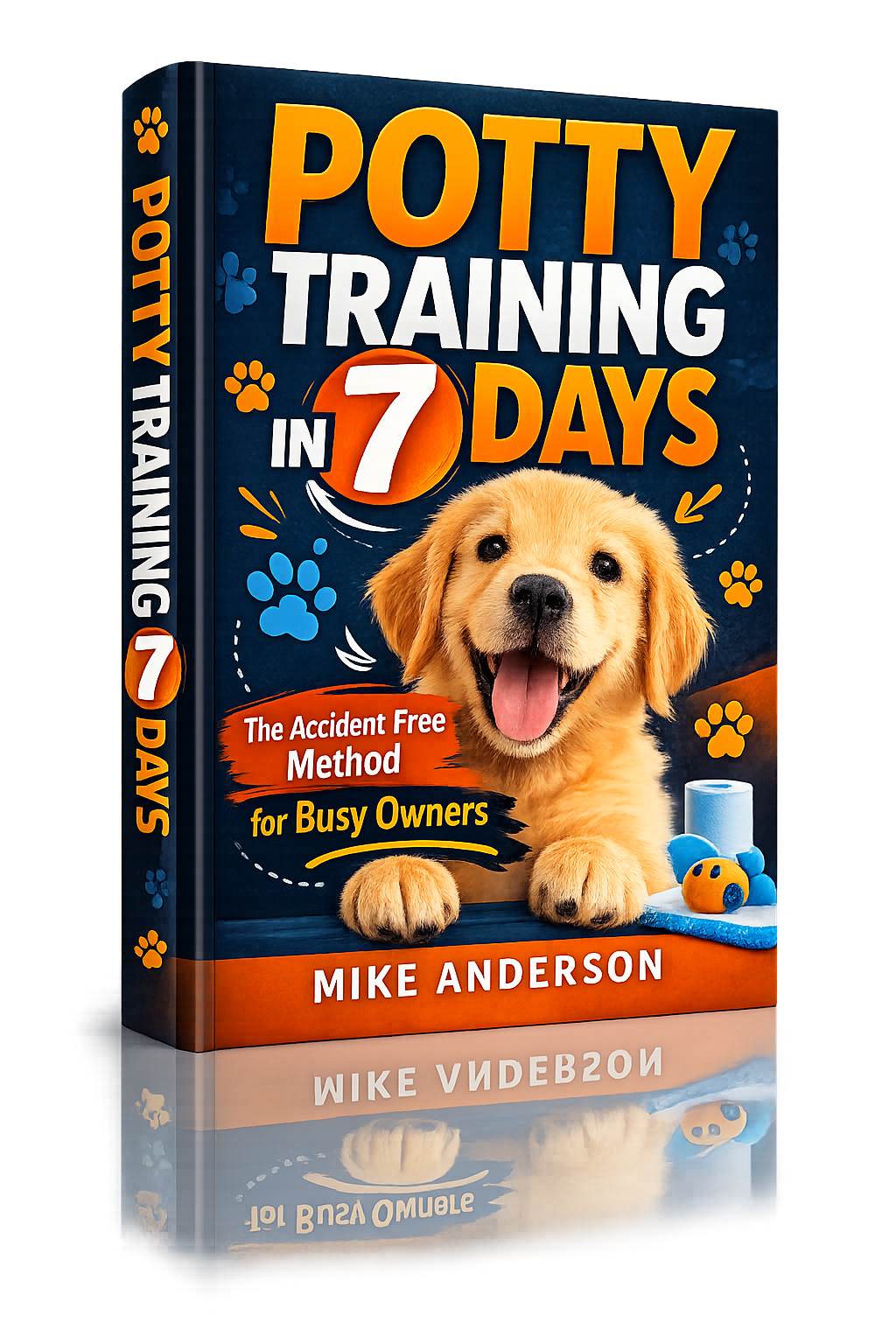


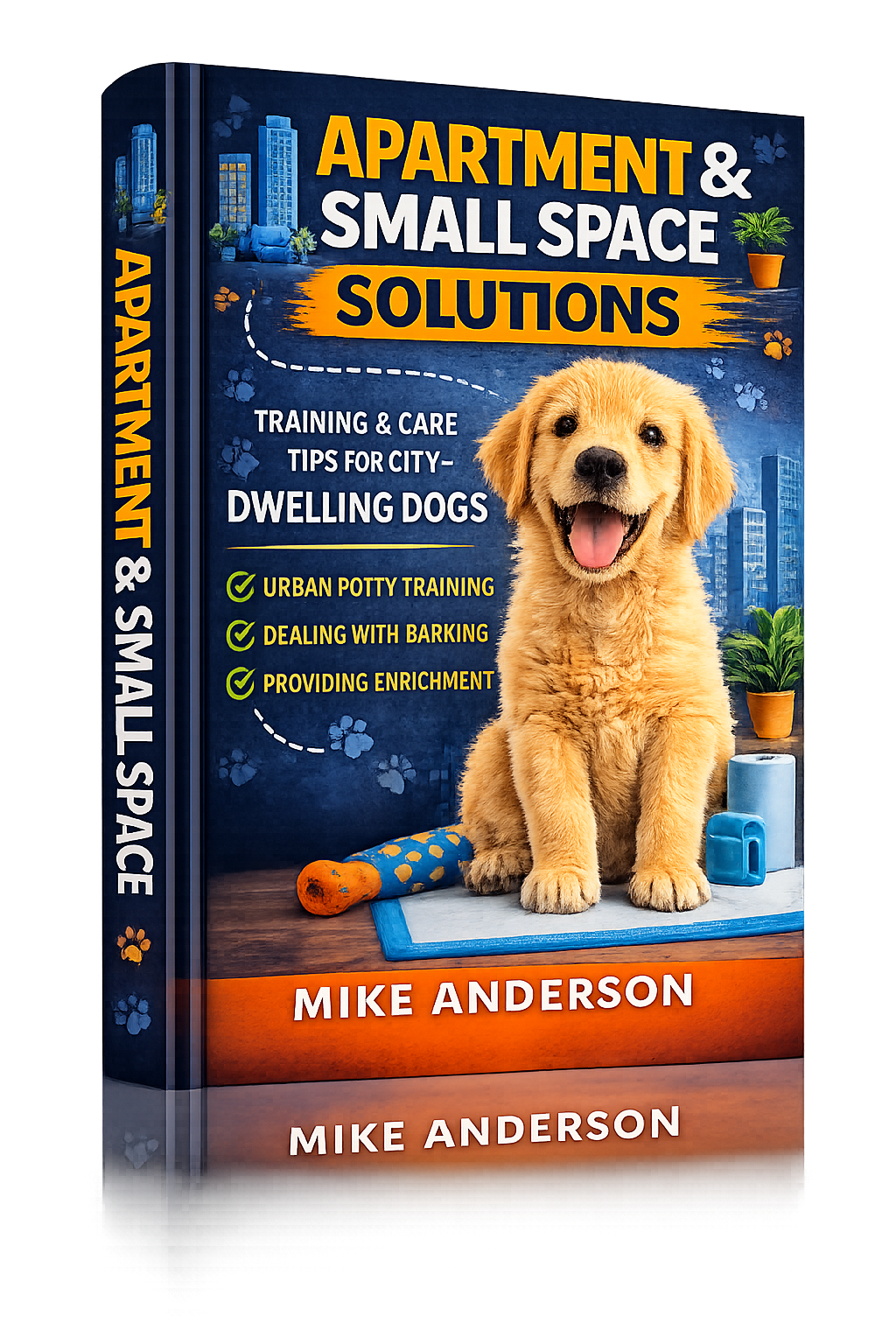
Learn how to potty train a puppy with this simple 7-day puppy potty training plan, including a daily schedule, accident tips, positive reinforcement and house-training advice.
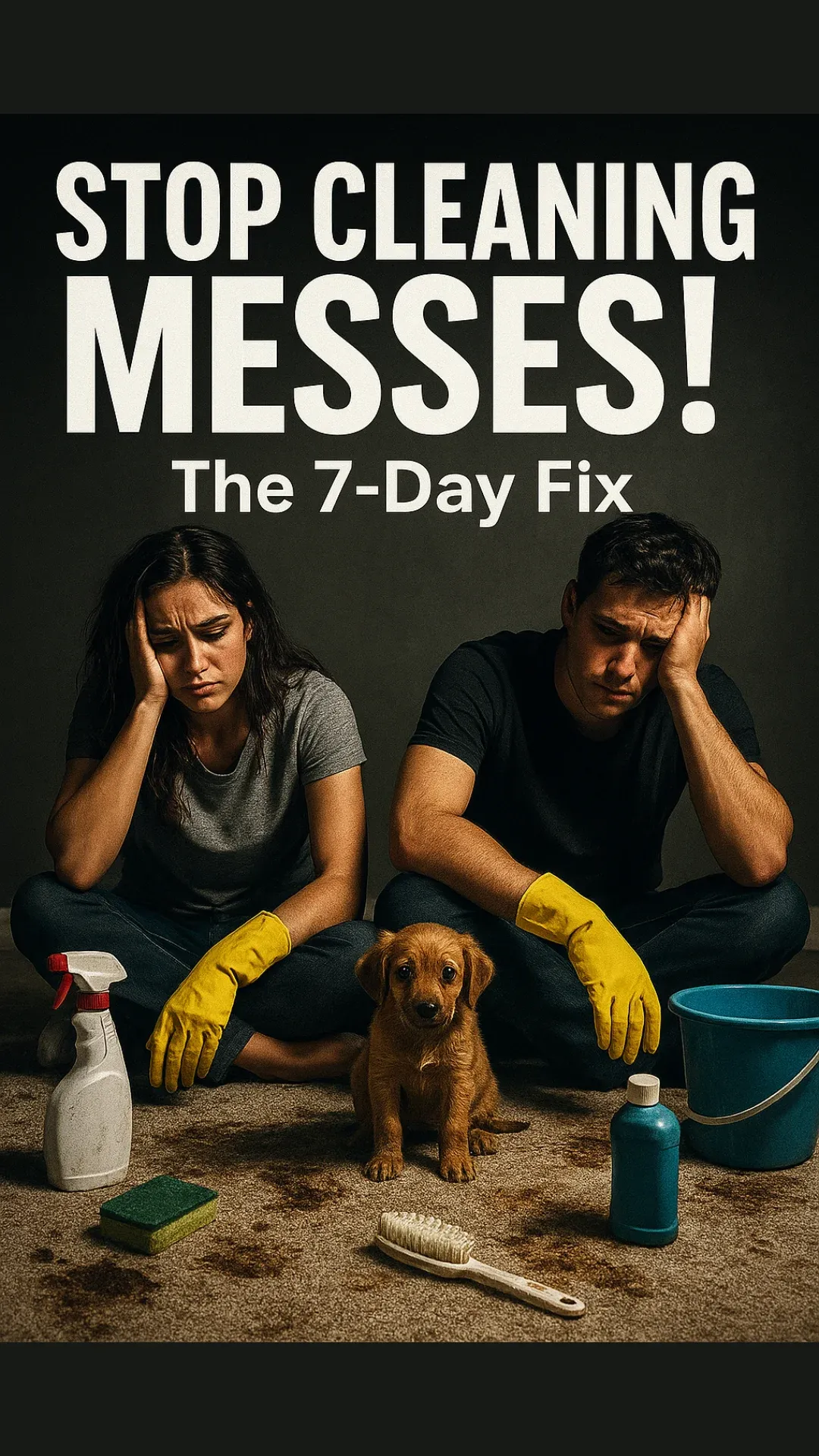
Bringing home a new puppy is exciting, but puppy potty training can quickly become one of the biggest challenges for new dog owners.
The good news is that potty training doesn't have to feel like guesswork.
A consistent routine, close supervision, timely potty breaks and positive reinforcement can help your puppy understand where and when they should go.
This 7-day puppy potty training plan gives you a practical starting point for building that routine.
Important: Seven days is a training framework, not a guarantee that every puppy will be completely house-trained in one week. Puppies develop at different rates, and young puppies often need several weeks of consistent practice.
How to Potty Train a Puppy
Successful puppy potty training starts with consistency.
Instead of waiting until your puppy has an accident, create regular opportunities for them to go in the correct place.
Take your puppy to their designated potty area:
- First thing in the morning
- After waking from a nap
- After eating
- After drinking
- After playtime
- After crate time
- Before bedtime
- Whenever you notice signs that they need to go
Common signs can include sniffing the floor, wandering away, circling, whining, becoming restless or heading toward a door.
The goal is to make the correct behavior predictable and rewarding.
Your 7-Day Puppy Potty Training Plan
Day 1: Create a Consistent Routine
The first day is about establishing structure.
Choose one regular potty area and use it consistently. Keep your puppy supervised whenever they are loose in the house.
Take your puppy to the potty area immediately after waking, eating, playing and napping.
When your puppy successfully goes in the correct place, offer calm praise and an appropriate reward immediately.
Today's goal: Help your puppy begin connecting the potty location with positive experiences.
Day 2: Watch for Your Puppy’s Signals
Today, pay closer attention to your puppy's behavior.
Look for sniffing, circling, wandering away, whining or sudden restlessness.
Don't wait for a clear signal every time. Continue taking your puppy out according to your routine.
Keep a simple record of:
- Feeding times
- Water
- Potty trips
- Successful potty trips
- Accidents
- Nap times
- Playtime
This can help you identify your puppy's individual pattern.
Day 3: Strengthen the Potty Routine
By Day 3, consistency becomes even more important.
Take your puppy to the same potty location and use the same simple verbal cue, such as “go potty.”
Wait calmly and avoid turning potty time into playtime.
Once your puppy finishes, praise and reward them promptly.
The purpose isn't to force your puppy to go. It's to create a predictable sequence they can learn.
Day 4: Reduce Opportunities for Accidents
Now focus on supervision.
If your puppy is wandering around the house without supervision, accidents can happen before you have an opportunity to intervene.
When you cannot actively supervise your puppy, use an appropriate puppy-safe area or crate according to your training setup.
Crates can be useful as part of a broader house-training routine, but puppies still need frequent opportunities to eliminate.
Remember: Management is part of potty training.
Day 5: Reward the Behavior You Want
Positive reinforcement can help your puppy understand which behavior you want repeated.
When your puppy goes in the correct location:
Potty → Praise → Reward
Keep the reward immediate so your puppy can make the connection.
Avoid punishing accidents. If you catch your puppy beginning to eliminate indoors, calmly interrupt and take them to the appropriate potty location.
Punishment after an accident can create confusion and does not teach the puppy where they should go instead.
Day 6: Build Independence Gradually
If your puppy is having fewer accidents, you can gradually allow a little more freedom.
However, don't give your puppy unrestricted access to the entire house too soon.
Continue the same potty routine and watch carefully after:
- Sleeping
- Eating
- Drinking
- Playing
- Training
- Coming out of a crate or confined area
Your puppy is still learning.
Day 7: Review Your Progress
Day 7 isn't the finish line.
Instead, use it to review what you've learned about your puppy.
Ask yourself:
- When does my puppy usually need to go?
- How often are accidents happening?
- What signs does my puppy give?
- Which potty location works best?
- Is my schedule realistic?
- Does my puppy respond well to praise and rewards?
Use those observations to create the routine you'll continue during the following weeks.
The goal of the first seven days is to establish a predictable potty-training system, not to promise instant perfection.
Puppy Potty Training Schedule
A puppy potty schedule should be based on your puppy's age, activity level and individual needs.
A simple starting routine looks like this:
| Time/Event | What to Do |
|---|---|
| Wake up | Take puppy to potty area |
| After breakfast | Potty break |
| After play | Potty break |
| After nap | Potty break |
| After drinking | Watch closely and offer a break |
| After crate time | Potty break |
| Before bedtime | Final potty trip |
Very young puppies may need numerous potty opportunities throughout the day because their bladder control is still developing.
What If Your Puppy Has an Accident?
Don't panic.
Accidents are a normal part of learning for many puppies.
If you catch your puppy in the act:
- Calmly interrupt.
- Take them to the appropriate potty area.
- Praise them if they finish there.
- Clean the indoor area thoroughly.
- Review what happened before the accident.
Ask yourself:
Did my puppy just wake up?
Did they recently eat or drink?
Were they playing?
Had they been unsupervised?
These questions can help you improve your schedule.
How to Stop Puppy Accidents in the House
The best strategy is to prevent as many accidents as possible.
Three principles are particularly useful:
1. Supervise
Keep your puppy within sight when they are loose.
2. Maintain a Routine
Take your puppy out around predictable events rather than relying entirely on them to ask.
3. Reward Success
Make the correct potty behavior positive and rewarding.
A consistent routine is one of the foundations of successful house training.
How Long Does Puppy Potty Training Take?
This is where it's important to have realistic expectations.
Some puppies make noticeable progress quickly, while others need considerably more time.
A seven-day plan can establish a routine, but it doesn't guarantee complete house training in seven days.
Age, individual development, supervision, consistency and the puppy's environment can all affect progress.
If your puppy continues having frequent accidents despite consistent training, or if there is a sudden change in bathroom behavior, consider discussing the situation with your veterinarian.
Common Puppy Potty Training Mistakes
Avoid these common mistakes:
Giving too much freedom too soon
A puppy that has not yet learned the rules may explore the house and have accidents.
Ignoring potty signals
Sniffing, circling and restlessness may be clues that your puppy needs a break.
Inconsistent schedules
Changing feeding, sleeping and potty routines constantly can make it harder to identify patterns.
Punishing accidents
Focus on teaching the desired behavior rather than frightening your puppy.
Expecting perfection after one week
The first seven days are about creating a foundation.
The Key to Successful Puppy Potty Training
The most important part of 7-day puppy potty training isn't a complicated trick.
It's consistency.
Take your puppy to the appropriate potty area at predictable times. Supervise closely. Reward successful behavior. Clean accidents thoroughly. Then repeat the process.
Over time, your puppy can begin to understand the routine and develop better potty habits.
If you're looking for a more structured approach with step-by-step guidance, explore our 7-Day Puppy Potty Training program to see whether it fits your training needs.
 Ready to Make Potty Training Easier?
Discover the 7-Day Puppy Potty Training Method →
FAQ SECTION
How do you potty train a puppy in 7 days?
A seven-day plan can help establish a consistent potty routine through frequent breaks, supervision, a designated potty area and positive reinforcement. However, every puppy is different, and complete house training may take longer.
How often should I take my puppy out to potty?
Young puppies generally need frequent potty opportunities, particularly after waking, eating, drinking, playing and napping. Their individual needs vary with age and development.
What is the fastest way to potty train a puppy?
The most effective approach is usually consistency: supervise your puppy, establish a predictable routine, provide frequent opportunities to eliminate in the correct location and reward successful behavior.
Should I punish my puppy for having accidents?
No. Punishment can create confusion and doesn't teach the puppy the behavior you want. Instead, calmly redirect the puppy and reinforce successful potty trips.
Is crate training good for potty training?
A properly used crate can be one component of a puppy house-training routine, particularly when you cannot directly supervise your puppy. It should be combined with frequent potty opportunities and appropriate care.
When should I start potty training my puppy?
You can begin establishing potty-training routines as soon as your puppy comes home. Consistent expectations from the beginning can help establish good habits.
Why is my puppy still having accidents?
Accidents can happen because the puppy is still developing bladder control, the potty schedule needs adjustment, supervision is inconsistent, or the puppy's signals are being missed. Persistent or suddenly worsening problems may warrant veterinary advice.
Affiliate Disclosure
Affiliate Disclosure: Some of the links on SmartChoiceScout are affiliate links. This means that if you click a link and make a purchase, we may receive a commission at no additional cost to you.
Our recommendations are based on the information we believe may be useful to our readers. We encourage you to research any product or program carefully and make your own purchasing decision.
SmartChoiceScout may earn a commission from qualifying purchases.